1Choose a setting2Choose your stone3We quote it
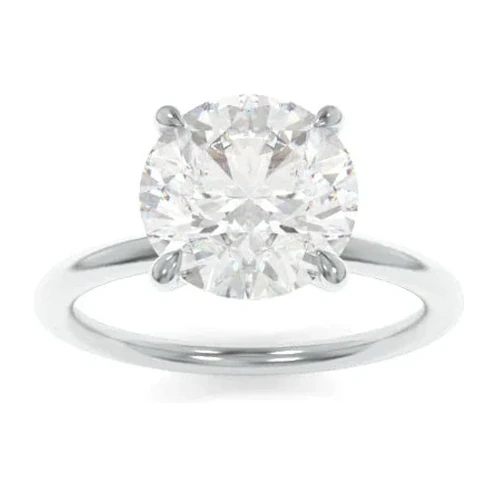
An engagement ring
Six settings, from a plain solitaire to a pavé band, in nine cuts.
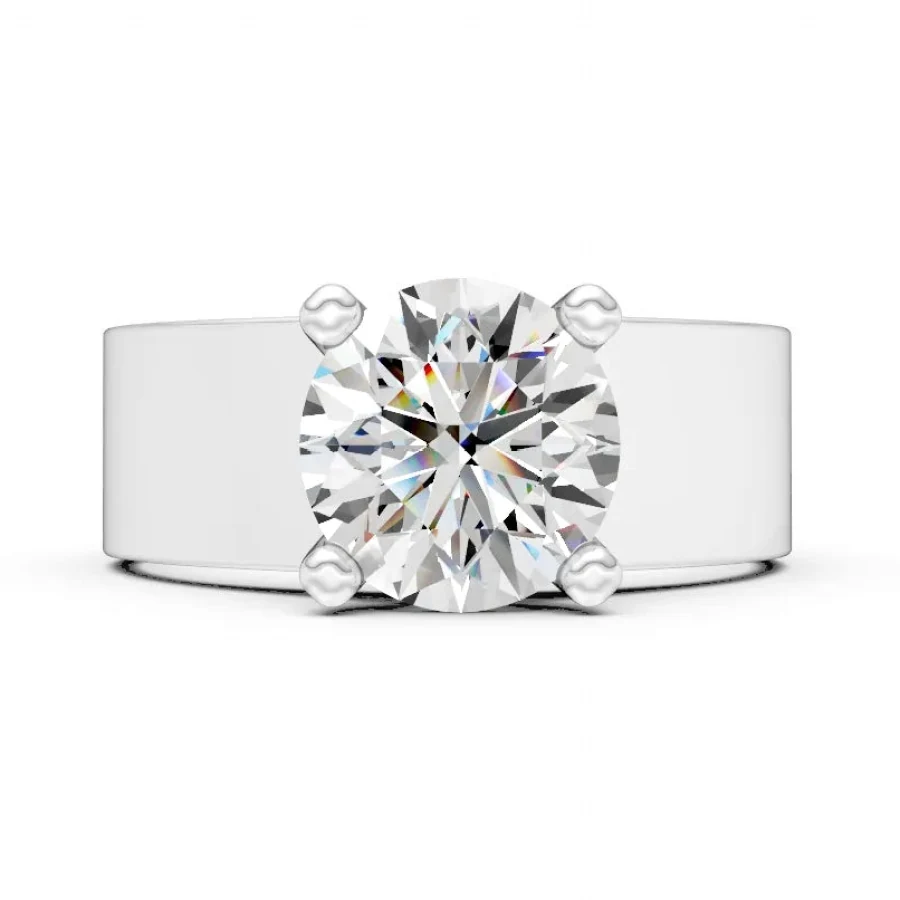
A man's ring
Three settings built around a wide band, in six cuts, sized for a man's hand.
Engagement settingsSIX
Solitaire
One stone and a plain band. Nothing competing with it, and the setting everyone pictures.
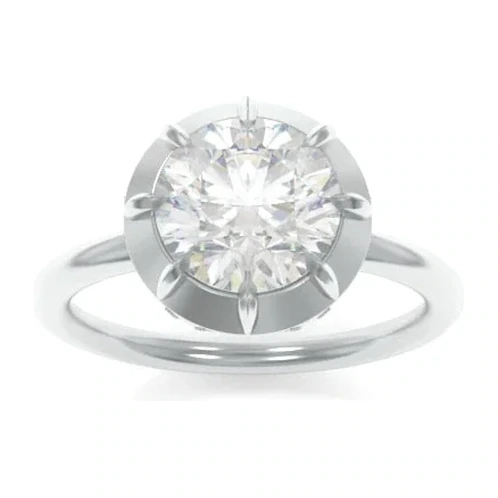
Halo
A ring of small stones around the centre. It reads about half a carat larger than the stone actually is.
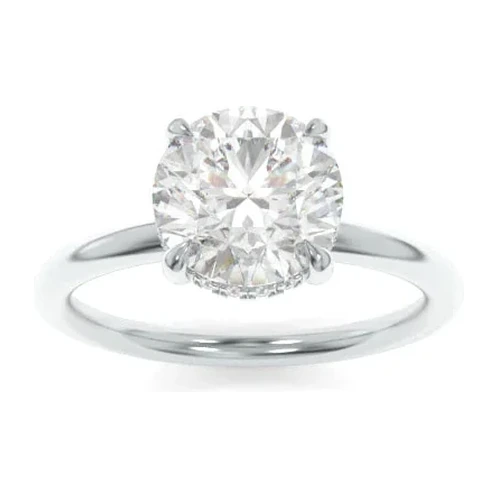
Hidden halo
The halo sits underneath the centre stone, so you only catch it from the side. Quieter from above than a halo.
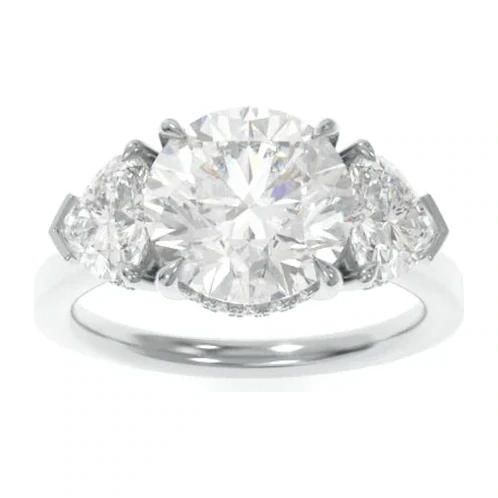
Three stone
A centre stone with one either side. Traditionally read as the past, the present and what comes next.
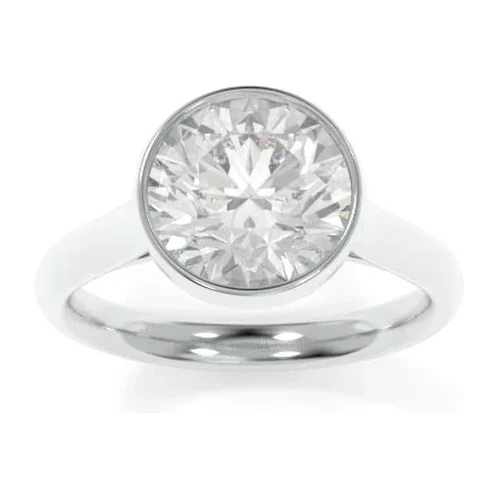
Bezel
A rim of metal all the way round the stone. The most protective setting there is, and it will not snag on anything.
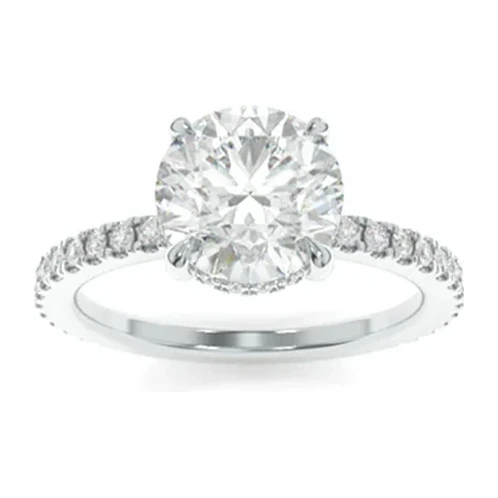
Pavé band
Small stones set along the band itself, so the whole ring catches the light rather than just the centre.
Men's ringsTHREE
Built the other way round: the band is the piece and the stone sits down in it. The same metals and the same stones, on a wider band.
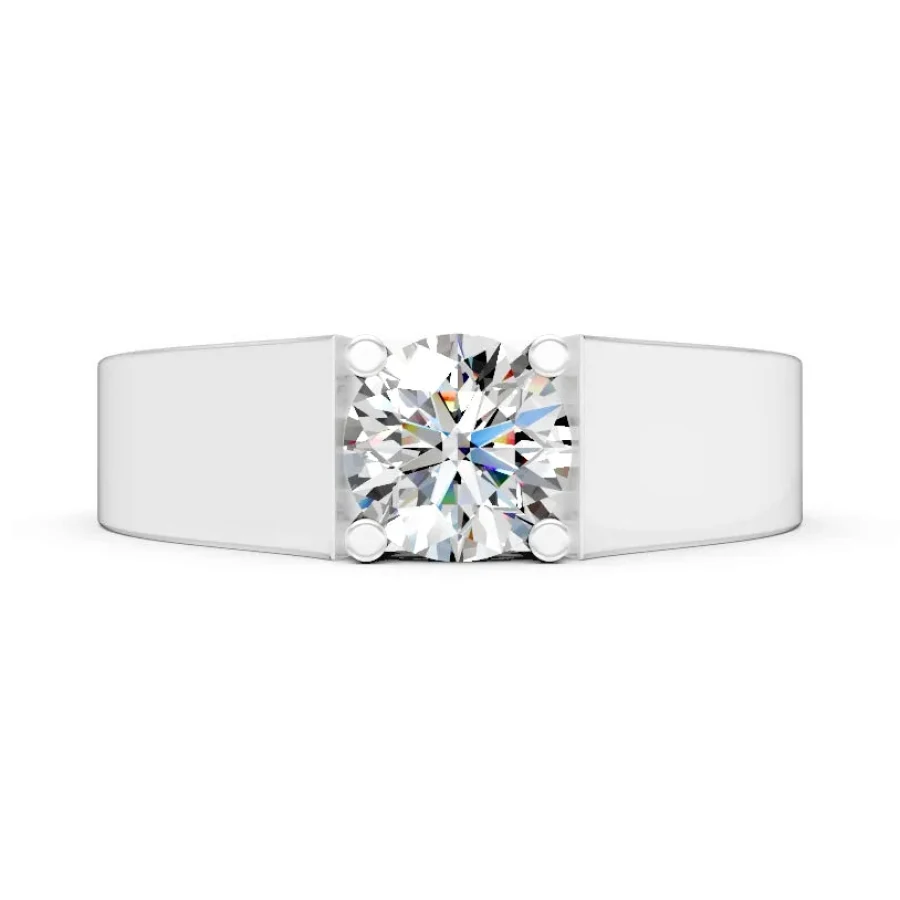
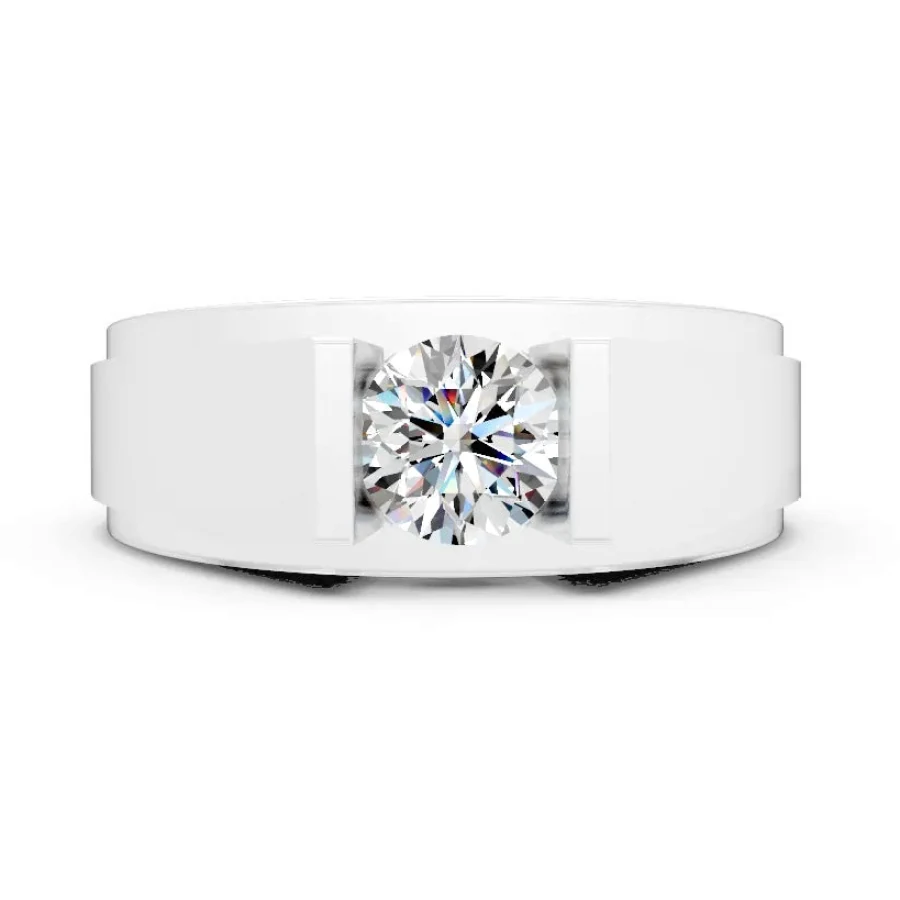
Bar set
The stone sits between two walls of the band, its top level with the metal. Nothing stands above the finger, so it takes knocks and gloves without complaint.
Bezel set
A rim of metal all the way round the stone, sunk into a grooved band. The lowest and most protected of the three, and the one to pick for work that is hard on hands.
Raised solitaire
The stone lifted clear of a wide band on claws, the way an engagement ring holds one. The most presence of the three, and the most light.
Made to order in 14k or 18k white, yellow or rose gold. Pictures are of our own rings, shown to give you the idea — yours is made to your stone.